Fibromyalgia: Can Massage Therapy help?

Wondering if massage therapy can help relieve fibromyalgia? In this evidence-based guide, we explore what peer-reviewed research (including landmark meta-analyses like Li et al., 2014) reveals about the critical 5-week rule for lasting pain and anxiety relief.
Discover why fibromyalgia varies by subtype, which gentle massage techniques work best (such as Myofascial Release and lymphatic drainage), how global home remedies and daily self-care help, and how advanced tools like Dolphin Neurostim microcurrent therapy reset the nervous system for holistic, long-term symptom management.
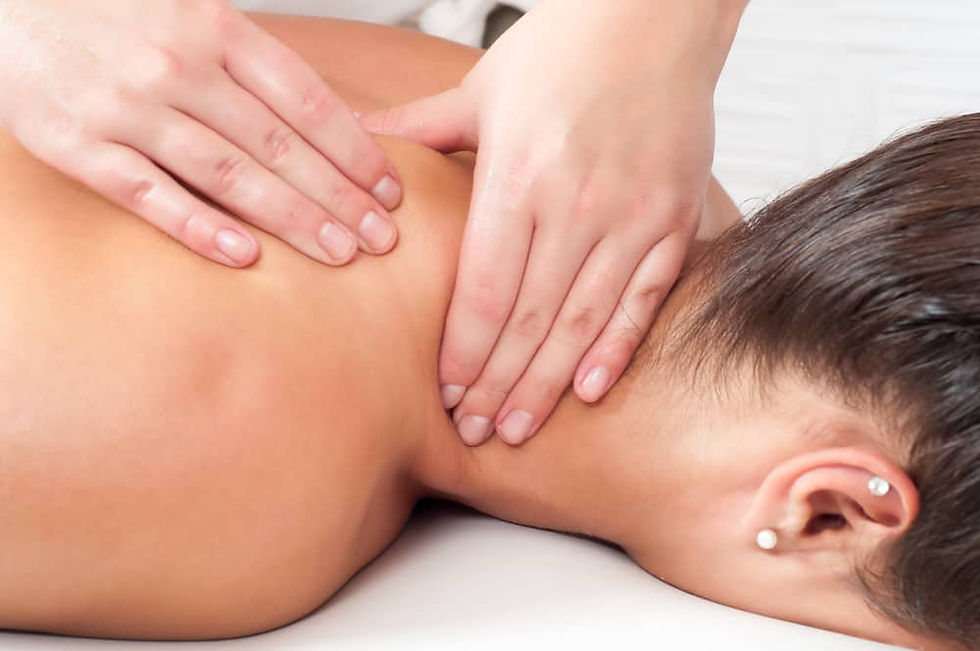
If you or someone you love lives with fibromyalgia, you already know how exhausting the constant, widespread body pain, tender points, and fatigue can be. When standard medical treatments aren't enough, many people look toward complementary care—ranging from specialized bodywork to traditional remedies used around the world.
As a Registered Massage Therapist (RMT), in Winnipeg ,Silver Heights, St .James , clinical integrity is everything. Let's look at what the peer-reviewed research actually says about how fibromyalgia varies, which specific massage styles help, what advanced tools like Dolphin Neurostim can do, and what traditional home remedies span the globe.
1. The Reality: Not All Fibromyalgia is the Same
Fibromyalgia is a complex condition of central nervous system sensitization, meaning it manifests differently depending on the individual's triggers, genetics, and nervous system state. Recognizing these variations helps tailor an effective care plan:
The Pain-Dominant Subtype: Characterized by widespread musculoskeletal aches, stiffness, and severe tender points. These patients respond best to therapies that focus heavily on physical myofascial release and local circulation.
The Fatigue- and Sleep-Disruption Subtype: For these individuals, unrefreshing sleep and profound exhaustion eclipse everything else. Their care must focus intensely on calming the nervous system to break the cycle of insomnia.
The Stress- and Trauma-Triggered Subtype: Many fibromyalgia cases flare up following physical trauma, surgery, or prolonged emotional stress. In these cases, the nervous system gets locked into a chronic "fight-or-flight" (sympathetic) loop, making nervous system regulation the top priority.

2. What the Research Shows: Does Massage Help?
For a long time, the benefits of massage for chronic pain were mostly based on personal stories. However, rigorous clinical research backs up its efficacy:
The 5-Week Rule (Duration Matters): A landmark systematic review and meta-analysis published in PLOS ONE (Li et al., 2014) evaluated multiple randomized controlled trials on fibromyalgia and massage. The data proved that while single or short-term sessions show minimal lasting impact, treatment lasting 5 weeks or longer yields statistically significant reductions in pain, anxiety , and depression
Central Sensitization and Fascia: Clinical frameworks from researchers (such as pilot studies highlighted by the American Massage Therapy Association) show that fibromyalgia pain is heavily tied to how the central nervous system processes sensory signals. Furthermore, the fascia surrounding skeletal muscle tissue contains mechanoreceptors and fibroblasts capable of regulating inflammation, making targeted soft-tissue work valuable.
3. Which Types of Massage Are Best for Fibromyalgia (And What Each One Does)
Not all massage techniques are created equal when dealing with a hyper-sensitive nervous system. Aggressive deep-tissue work can easily backfire and trigger a flare-up. Instead, targeted, gentle modalities offer specific benefits:
Myofascial Release (MFR):
What it is: A gentle, sustained pressure technique applied into the fascial connective tissue restrictions without sliding over the skin.
How it helps: It releases deep structural tension, improves flexibility, and directly addresses fascial restrictions that often contribute to chronic aching.
Swedish Massage (Light to Moderate Pressure):
What it is: Uses long, flowing strokes, kneading, and gentle circular movements.
How it helps: Promotes deep relaxation, boosts local blood circulation, and triggers parasympathetic nervous system activity to lower stress hormones like cortisol.
Lymphatic Drainage Massage:
What it is: An extremely light, rhythmic, stretching stroke that encourages the movement of lymph fluids.
How it helps: Reduces cellular congestion and systemic inflammation without overwhelming tender muscle tissue, making it ideal for highly sensitive individuals.
4. Clinical Hydrotherapy and Thermal Modalities: Hot Stones, Paraffin, and Warm Water Integration
Beyond traditional soft-tissue manipulation, targeted thermal and hydrotherapy treatments offer powerful clinical benefits for fibromyalgia. Because chronic pain often leaves tissue cold, ischemic, and hyper-guarded, applying controlled heat combined with manual therapy can unlock deep-seated tension:
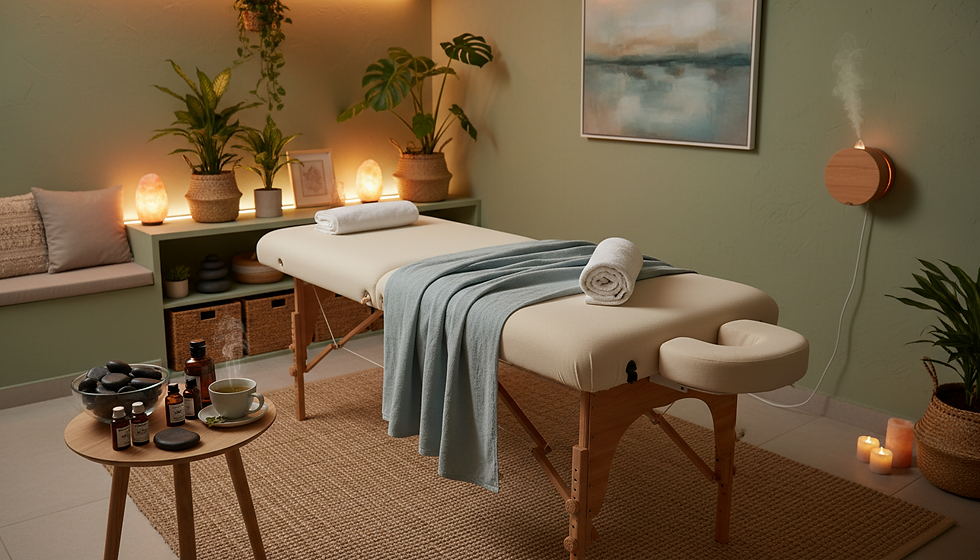
Hot Stone Thermal Therapy: Smooth, heated basalt stones are used as stationary placements or warm massage extensions along the back and limbs. The deep thermal penetration relaxes skeletal muscles at a structural level without requiring intense pressure.
Paraffin Wax Dips or Targeted Strips: Warm, melted paraffin wax applied to chronically stiff areas (such as hands, wrists, or feet) increases local micro-circulation, eases fascial stiffness in the extremities, and softens connective tissue layers.
Clinical Hydrotherapy (Warm Water & Manual Massage Fusion): Utilizing continuous, controlled warm water flowing over the occipital ridge, neck, and scalp while the RMT performs simultaneous manual scalp massage and suboccipital release. Used strictly as a clinical treatment, the combination of continuous thermal water and tactile stimulation profoundly down-regulates the trigeminal and vagal systems, easing chronic craniocervical tension and headaches.
5. Global Home Remedies: What Grandmoms Used Around the World
Long before modern clinical trials, older generations worldwide relied on traditional wisdom to manage deep body aches, stiffness, and fatigue:
Traditional European Herbal Baths & Infusions: Across Eastern and Western Europe, grandmothers routinely used warm baths infused with pine needles, chamomile, or mustard powder to open blood vessels, ease muscle cramping, and calm the nervous system before sleep.
Ayurvedic Warm Oil Massages (Abhyanga) in India: Rooted in ancient traditions, daily self-massage using warm herbalized oils (like sesame or Mahanarayan oil) is used to ground the nervous system, nourish dry or stiff tissues, and counteract the "Vata" imbalance associated with erratic pain and anxiety.
Asian Hot Herbal Compresses (Luk Pra Kob): In Thailand and parts of Southeast Asia, steamed herbal balls packed with anti-inflammatory roots like ginger, lemongrass, and turmeric are pressed along aching muscles. The combination of heat and medicinal herbal absorption helps soothe deep soft-tissue tension.
Caribbean & Latin American Bush Baths: Generations in the Caribbean have brewed local soothing leaves (like bay leaf, vervain, or eucalyptus) into warm baths to draw out body aches and relieve mental fatigue.
6. What is Dolphin Neurostim and How Does It Help?
For those looking to expand their clinical toolkit, Dolphin Neurostim therapy has emerged as a specialized, non-invasive option for managing conditions like fibromyalgia.
Unlike standard TENS units that use alternating current to briefly mask pain signals, the Dolphin Neurostim is a handheld device that delivers concentrated Direct Current (DC) micro-impulses (Microcurrent Point Stimulation or MPS). These microcurrents closely mimic the body's natural bioelectric flow:
Nervous System Reset: By stimulating specific acupuncture, trigger, and vagal points, DC microcurrents help pull the body out of "sympathetic dominance" (fight-or-flight) and into a parasympathetic state, addressing the root hypersensitivity driving fibromyalgia pain.
Cellular Energy (ATP) Production: Low-frequency direct currents enhance cellular ATP production, fueling local tissue repair and bringing down inflammation.
Endorphin Release and Scar Release: Targeted point stimulation triggers natural endorphin release. Furthermore, it can be used for scar release therapy—repolarizing old surgical or injury scars that act as hidden blocks to nervous system healing.
Fibromyalgia is multifaceted, meaning personalized care is mandatory. By blending consistent professional bodywork (backed by research like Li et al., 2014), targeted massage modalities, global wisdom, daily home care, and advanced tools like microcurrent therapy, individuals can build a comprehensive, evidence-based routine for long-term relief.


Comments