Understanding the Importance of Registered Massage Therapy in Winnipeg

Updated: Sep 9
The Reality of RMT Regulation in Manitoba
Not everyone who advertises a "massage" is a legitimate Registered Massage Therapist (RMT). In Manitoba, true healthcare professionals carry the specific RMT designation, backed by formal credentials and provincial regulatory bodies. Always verify registration. As a Registered Massage Therapist (RMT) in Winnipeg, I often encounter a misconception: the false idea that all massages are the same. This misunderstanding can be harmful, as it undermines the rigorous training and professional standards that RMTs uphold.
Rigorous Education
RMTs in Manitoba undergo extensive post-secondary training, typically around 2,200 hours. This education focuses on human anatomy, physiology, kinesiology, pathology, and orthopedic assessment. It’s not just about learning techniques; it’s about understanding the body and how to treat it effectively.
Continuous Education & Growth
Education doesn’t stop after graduation. To maintain my registration, I participate in ongoing professional development and continuing education courses. This commitment allows me to master new clinical techniques and stay updated on medical research. It ensures that I provide the best possible care for my clients.
Strict Accountability
RMTs are governed by professional regulatory bodies. We hold mandatory professional liability insurance and adhere to strict codes of ethics and continuing education. This accountability ensures that every appointment is built around a medical and physical goal, whether it's recovering from a car accident, managing chronic back pain, or improving joint mobility.
Myth vs. Reality: "All Massages Are the Same"
Many people assume that a massage is just a generic luxury service, regardless of where you book it. However, clinical treatment looks vastly different from a casual spa rubdown.
Health History & Assessment
Before I begin any treatment, I take a detailed health history. I evaluate pain levels and perform orthopedic tests to find the source of dysfunction. This thorough approach is often skipped in unregulated settings, which can lead to ineffective treatment.
Targeted Treatment Plans
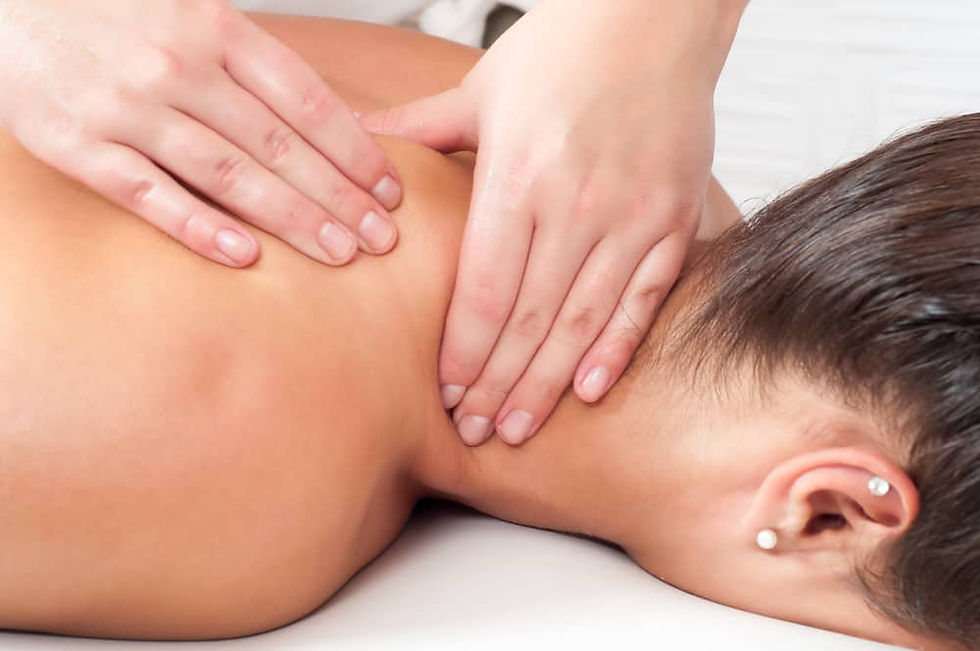
As an RMT, I use specific, evidence-based soft-tissue and myofascial techniques designed to address mechanical problems in the body. This is not a one-size-fits-all relaxation routine. Each treatment plan is tailored to the individual needs of my clients.
Setting the Record Straight: RMT Work vs. Sex Work
One of the most damaging stigmas therapists face is the assumption that bodywork involves something outside of healthcare. Let’s clarify this distinction:
Different Definitions
RMT work is clinical healthcare aimed at physical rehabilitation and pain relief. In contrast, sex work is a commercial sexual service. They share no overlap in definition, intent, or practice.
Professional Boundaries and Draping
In my practice, I maintain strict professional boundaries. I follow medical draping protocols, ensuring that only the specific area of the body being treated is uncovered. This approach guarantees safety, privacy, and professionalism.
Legal and Ethical Consequences
Any breach of professional boundaries by an RMT results in immediate license revocation, legal charges, and expulsion from the regulatory association. Illicit establishments operating outside of healthcare laws have nothing to do with the regulated RMT profession.
A Note on Boundaries and Titles
This discussion is not about passing judgment on sex workers. People have a right to choose their own paths. The core issue is deception and false representation. When unregulated operators use the "RMT" or "massage" title to market sexual services, it misleads the public and places registered therapists in uncomfortable situations.
Real RMTs are healthcare professionals. Protecting that title means safeguarding our right to practice healthcare free from harassment.
A Perspective from 25 Years in Practice: Speaking Up for New RMTs
Having spent 25 years in this field, I have seen it all. With a background as a former gymnast, clients often notice my physical appearance right away. Over the decades, I’ve navigated inappropriate requests—from propositions to various fetishes. Now that I am in my 50s, those demands are rarely direct anymore, though they still appear in subtle, indirect messages.
While I have the experience and confidence to shut them down immediately, it is not always a safe or positive experience for RMTs in their 20s who are just starting out. That is why we need to speak up. My response has always been firm and unwavering: my sole focus is clinical healing.
Many clients, once they realize where I stand, respect those professional boundaries and continue coming back strictly for therapeutic treatment. Others choose to move on, and that is entirely okay. Boundary violations mean a client is dismissed immediately. Professionalism is non-negotiable, and younger therapists deserve a supportive, protected environment where they never feel pressured to tolerate anything less than total respect.
What Winnipeg Clients Need to Know
If you want safe, effective, and ethical treatment for your body in Winnipeg, here are a few key points to keep in mind:
Look for the RMT Designation: Ensure your practitioner is officially registered with a recognized Manitoba association. This is crucial for receiving quality care.
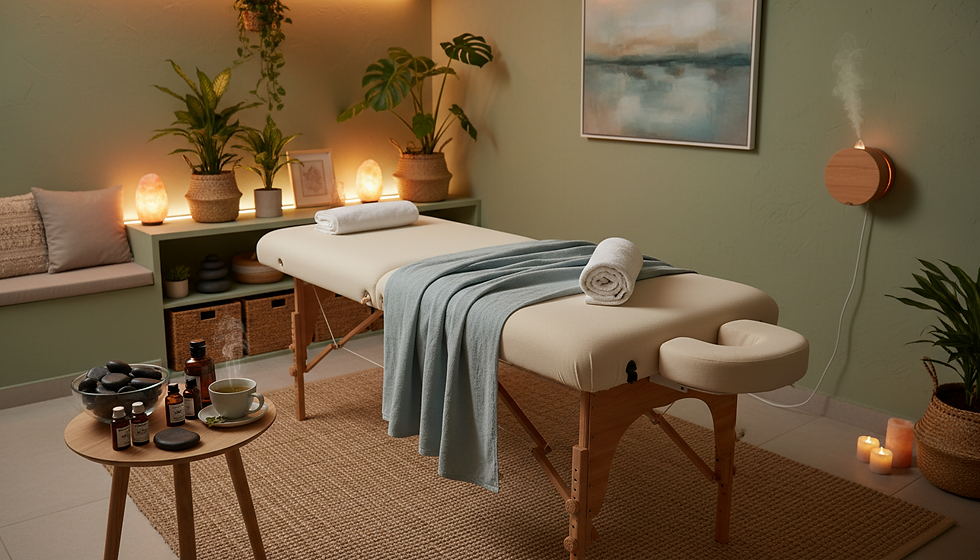
Expect a Clinical Environment: A professional massage clinic operates just like a physiotherapist or chiropractor's office—complete with intake forms, treatment goals, and informed consent.
By understanding these distinctions, we can support legitimate healthcare professionals, dismantle harmful stereotypes, and ensure everyone feels safe seeking the physical care they need.
At Othala Remedial Massage Therapy, I aim to be your go-to place in Winnipeg for highly personalized, effective pain relief and wellness through remedial massage. My specialized treatments, including therapeutic head, face, and neck hydrotherapy, pain management, and surgery scar tissue release, are designed to help you feel your best. If you're curious about how these treatments can benefit you, I invite you to reach out and explore the possibilities together.

Comments